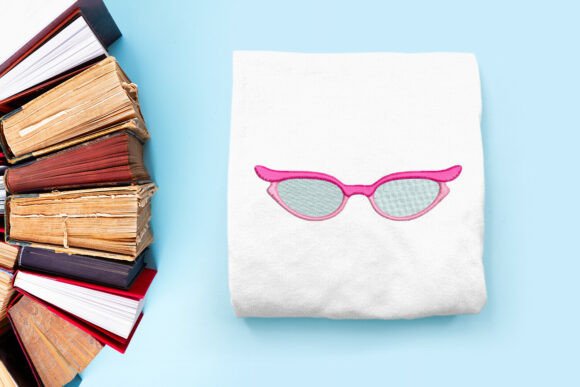
Vintage Librarian Glasses: A Craft Fair Review
As an embroidery designer who has spent countless weekends standing behind booth tables, I know that the difference between a browser and a buyer often comes down to visual clarity and emotional connection. When I first loaded the Vintage Librarian Glasses Embroidery file into my digitizing software, my immediate reaction was one of appreciation for its narrative potential. This is not just a generic graphic; it is a character-driven machine embroidery design that speaks directly to book lovers, academics, and anyone with a penchant for retro aesthetics. For those of us running small shops or selling at handmade markets, finding designs that tell a story without requiring lengthy explanation is gold.
First Impressions and Visual Appeal
The charm of this design lies in its simplicity and versatility. Featuring dual-color frames, the glasses offer a classic silhouette that feels both elegant and slightly whimsical. It does not scream for attention with neon brightness; rather, it invites curiosity. In a crowded craft fair environment, where customers are bombarded with loud patterns and busy textures, the clean lines of these glasses provide a moment of visual rest. The design feels premium because it relies on shape and color contrast rather than excessive detail. Whether you interpret them as serious reading glasses or cool sunglasses depends entirely on your thread choice, giving you, the maker, creative control over the mood of each finished product.
Strategic Product Placement for Maximum Sales
To truly evaluate the commercial viability of this embroidery file, we must look at where it lives best. I tested this design across several common craft fair product categories to see where it performed strongest.
- Tote Bags: This is arguably the perfect home for the design. A canvas tote with large, centered vintage glasses creates an instant statement piece. It appeals to students and librarians alike, making it a high-volume tote bag design candidate.
- Aprons: For kitchenware, placing the glasses on the bib of an apron adds a touch of personality. It suggests a "smart cook" vibe, which resonates well with buyers looking for unique apron embroidery that isn't just floral or fruit-themed.
- Tea Towels: While delicate, a smaller version of the design works beautifully on linen. However, be mindful of the fabric texture. Terry cloth can swallow small stitches, so stick to smooth flour sack towels for the best tea towel embroidery results.
- Embroidered Patches: Because the design is self-contained and bold, it translates exceptionally well to patches. These are low-commitment purchases for customers, allowing them to add the aesthetic to their own jackets or bags later.
When considering accessories like caps or small pouches, the scale becomes critical. The dual-color frame requires precise registration. On a curved cap surface, ensure your stabilizer is robust enough to prevent puckering, as the frame lines must remain crisp to maintain the "vintage" illusion.
Production Practicality and Batch Efficiency
From a production standpoint, time is money. One of the strongest assets of the Vintage Librarian Glasses Embroidery is its efficiency. The design does not appear to have excessive stitch density in the lens areas, which means faster run times and less thread breakage. For an Etsy seller or boutique maker preparing for a holiday rush, this repeatability is vital. You can hoop multiple items quickly, confident that the design will stitch out cleanly without constant trimming or jumping.
Photography is another key factor. This design photographs exceptionally well because the glasses create a recognizable shape even from a distance. For your online listings, use a printable mockup to show the design on various backgrounds, but always follow up with real photos. The contrast between the frame colors and the lens colors allows you to create diverse product lines from a single digital embroidery file. Swap black lenses for dark blue to create a "night reading" theme, or use gradient threads for a sunset sunglass effect.
Careful-Use Notes and Technical Considerations
While the design is robust, there are technical nuances to consider before you commit to a large batch. Always check the specific details provided with your purchase, such as the exact hoop size requirements and available formats. Since the product description mentions 8 formats and 10 sizes, you have flexibility, but you must match the size to the garment.
- Fabric Choice: Avoid highly textured fabrics like heavy chenille or loose-weave burlap for the smallest sizes. The fine details of the frame hinges may get lost. Stick to medium-weight cottons, denim, or canvas.
- Stabilizer Selection: Use a cut-away stabilizer for stretchy fabrics like t-shirts to prevent distortion over time. For woven fabrics like tote bags, a tear-away may suffice, but a light cut-away ensures longevity for a commercial embroidery quality item.
- Thread Contrast: The success of the "dual color" frame relies on thread selection. Ensure your frame colors contrast sufficiently with the background fabric. A navy frame on a black shirt will vanish. Test your thread colors on scrap fabric before hooping your final product.
- Small Details: If you are using the smallest size option for things like pocket accents or baby items, inspect the stitch path closely. Tiny lettering or intricate hinge details might need simplification or removal if they cause thread bunching.
Enhancing Brand Consistency and Buyer Engagement
Incorporating the Vintage Librarian Glasses Embroidery into your shop can strengthen your brand identity if you position it correctly. It signals intelligence, nostalgia, and comfort. For a small shop product line, consistency is key. If you sell literary-themed goods, this design acts as a cornerstone design asset. It helps customers instantly recognize your style. When displayed in a booth, group these items together. Place the embroidered totes next to stacked vintage books or framed literary quotes. This contextual staging increases perceived value and encourages buyers to imagine the product in their own lives.
Ultimately, this design is a strong contender for any maker looking to expand their Accessories category with meaningful Embroidery. It balances aesthetic appeal with production practicality. By testing on scrap fabric, confirming your stabilizer choice, and leveraging the versatility of the lens colors, you can create a cohesive collection that stands out in both physical markets and digital storefronts. Remember to verify the commercial licensing terms included with your file to ensure you are compliant when selling your handmade product offerings. With careful execution, this design is not just a pattern; it is a profitable tool for your creative business.