God's Hand Embroidery: A Designer's Craft Fair Review
As an experienced embroidery designer preparing for the upcoming weekend craft fair, I am currently sorting through my digital design assets to finalize my booth inventory. The goal is always the same: curate a collection that stops shoppers in their tracks, feels premium to the touch, and translates perfectly from screen to fabric. Today, I am putting God s Hand Embroidery under the microscope. This digital embroidery file falls squarely into the Religion category, but for us makers, the real question is how it performs as a commercial product on the sales floor.
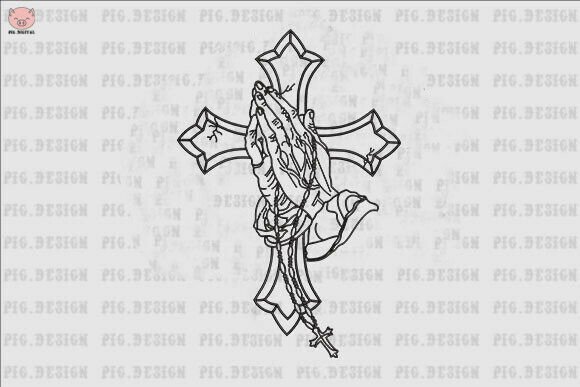
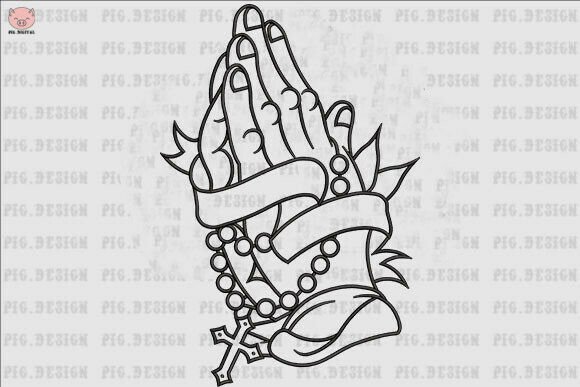
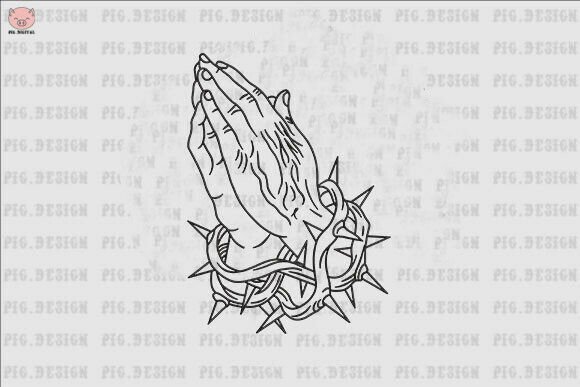
My first impression of God s Hand Embroidery is one of quiet elegance and spiritual depth. Unlike some designs that rely on loud fonts or cartoonish imagery, this piece feels substantial and reverent. It carries a rustic yet modern farmhouse aesthetic that is currently dominating the handmade market. When I visualize this machine embroidery design on a finished product, it doesn't just look like a decoration; it looks like a statement of faith that customers will want to wear or display proudly. For an Etsy seller or boutique maker, this type of design asset offers a unique opportunity to tap into a loyal customer base looking for meaningful, high-quality handmade goods.
Evaluating Product Potential for the Weekend Market
Before I can turn this digital file into a profitable craft fair product, I need to determine where it shines brightest. I have laid out my production table with various blank items: tote bags, aprons, tea towels, caps, patches, small pouches, and pillow covers. My immediate thought is that God s Hand Embroidery works exceptionally well as a focal point on structured items rather than highly textured ones.
For tote bag design applications, this motif is a winner. A sturdy canvas tote provides a flat, stable surface that allows the intricate details of the hand to stand out without distortion. I imagine this design centered on a natural linen tote, perhaps with contrasting thread colors like deep navy or burgundy against the cream background. This combination screams "premium gift" and would likely sell quickly at a booth alongside other lifestyle accessories.
Apron embroidery is another strong contender. In the kitchen, people often wear their values on their sleeves—or in this case, their aprons. Placing God s Hand Embroidery on the bib of a cotton duck apron creates a beautiful, personal touch for home cooks who appreciate faith-based decor. However, I must be mindful of the stitch density here. If the design is too dense, it might stiffen the fabric around the waist, making the apron uncomfortable to wear. A test run on scrap fabric is essential before committing to a batch of ten.
When considering tea towel embroidery, the challenge lies in the fabric texture. Terry cloth has a looped pile that can sometimes swallow fine details. While God s Hand Embroidery is described as high-quality, I need to ensure the lines are thick enough to remain visible against the weave of a towel. If the design features tiny lettering or delicate fingers, they might get lost. For this reason, I would recommend using a heavier stabilizer and perhaps simplifying the hoop size to focus only on the most impactful part of the image if the full design is too large for a standard towel.
Production Practicalities and Technical Considerations
As we move from concept to production, the practical realities of embroidery come into play. One of the most critical factors for any commercial embroidery project is understanding the stitch density. Designs with heavy fill areas can cause puckering, especially on lighter fabrics like quilting cotton used for pillow covers or small pouches. Before I start mass-producing, I will run a test on a piece of fabric identical to my final product. This allows me to check for tension issues and ensure the thread colors pop against the material.
The hoop size is another variable I must confirm. Does God s Hand Embroidery fit comfortably within a 5x7 hoop, or does it require a larger 6x10 frame? This decision impacts my workflow significantly. Larger hoops mean slower stitching times and more frequent re-hooping, which can slow down production for a busy craft fair weekend. If the design is large, I might opt to use it on larger items like pillow covers or market bags where the scale is appropriate. Conversely, if the design scales down well, I could create adorable embroidered patch versions for hats or denim jackets, adding versatility to my product line.
Lighting and contrast are also vital for visual appeal. On dark fabrics, white or light-colored thread is necessary to make the design legible. However, dark threads on black fabric can disappear entirely. I plan to create at least one real mockup for each colorway I intend to sell. These physical samples serve a dual purpose: they act as proof of quality for potential buyers at the booth and provide authentic photos for my printable mockup needs on online platforms. Customers today are savvy; they want to see how the finished product actually looks in person, not just a computer-generated rendering.
Maximizing Booth Display and Sales Engagement
In the competitive environment of a handmade market, your display tells a story. God s Hand Embroidery has the potential to anchor a section of my booth dedicated to faith-based home goods. By grouping items together—such as a stack of embroidered napkins next to a matching apron and a few tote bags—I create a cohesive visual narrative that draws the eye. The repetition of the design across different products reinforces brand consistency and makes the collection feel curated rather than random.
Customer engagement often hinges on the perceived value of the item. A simple tote bag sells for a modest price, but a tote bag featuring a professionally stitched, intricate design like God s Hand Embroidery commands a higher price point. Shoppers understand that handmade product quality involves time, skill, and expensive materials. When they run their fingers over the raised stitches, feeling the texture and seeing the precision, they are more likely to perceive the item as a luxury good worth purchasing.
However, there are risks to manage. If the design includes very small text or intricate details, it may lose clarity when scaled down for smaller items like keychains or hair ties. I will avoid shrinking the design below its recommended minimum size to prevent the "muddy" look that cheapens the appearance of the work. Similarly, curved surfaces like caps can distort the design if the digitization isn't perfect. I will inspect the cap samples closely to ensure the hand remains recognizable and symmetrical despite the curve of the brim.
Final Checklist for the Digital Seller
Before listing these items or setting up my table, I am running through a final checklist to ensure success:
- Test Stitching: Always embroider the design on scrap fabric first to check for puckering, skipped stitches, or thread breaks.
- Stabilizer Selection: Use the correct cut-away or tear-away stabilizer based on the fabric weight to support the design structure.
- Licensing Verification: Confirm that the digital embroidery file license permits the sale of finished goods. As a business owner, I must ensure I have the right to sell products made from this embroidery file.
- Color Matching: Compare thread colors against fabric swatches under both natural and artificial light to ensure accuracy.
- Mockup Creation: Produce high-quality photos of the actual stitched items for Etsy listings and social media marketing.
God s Hand Embroidery is a versatile and powerful design asset that, when executed correctly, can elevate a small shop product into a standout piece. Whether you are a seasoned Etsy seller or a new crafter entering the craft fair circuit, the key to success lies in careful planning, attention to detail, and a commitment to quality. By respecting the technical requirements of the machine and focusing on the emotional connection the design offers, you can create a product line that resonates deeply with customers and drives sales all day long.