Tropical Monstered Leaf Embroidery Review
As a professional embroidery designer who has spent years translating brand visions into tangible threads, I constantly evaluate new digital embroidery files for their commercial viability. When the Tropical Monstered Leaf Embroidery design landed on my desk, I immediately recognized its potential to elevate small business merchandise beyond standard corporate logos. This piece falls under the Single Flowers category, yet it transcends simple floral decoration to offer a lush, botanical statement that feels both organic and structured. For boutique owners, apparel decorators, and Etsy sellers looking to infuse personality into their small business merch, this design offers a unique opportunity to blend nature-inspired aesthetics with professional branding.
First Impressions: A Botanical Statement for Modern Brands
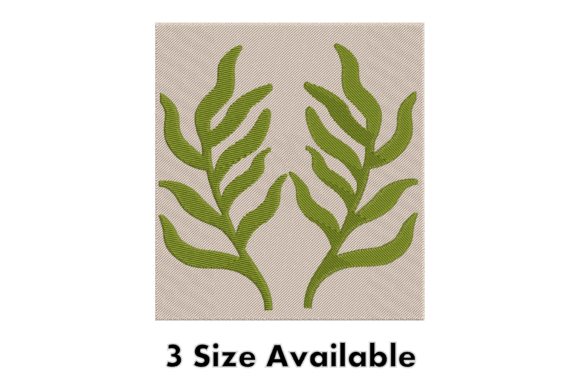
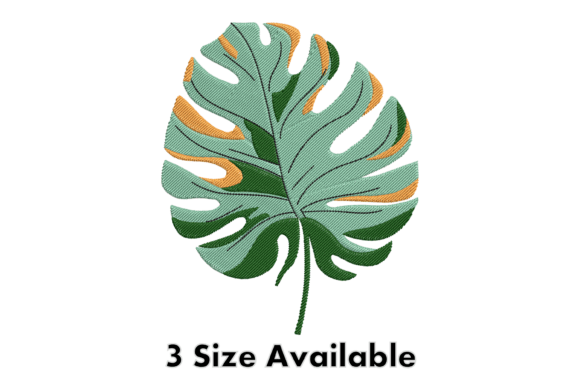
The first thing that strikes you about the Tropical Monstered Leaf Embroidery is its bold character. Unlike delicate, wispy florals that can get lost in complex stitching, this design commands attention with a "monstered" edge that suggests strength and vibrancy. It feels less like a traditional garden flower and more like a modern, stylized emblem suitable for creative studios, eco-friendly boutiques, or artisanal bakeries. The visual weight of the leaf structure implies a premium quality, making it an excellent candidate for brand identity projects where standing out is crucial.
In the context of commercial embroidery, a design must balance artistic flair with functional clarity. The Tropical Monstered Leaf Embroidery achieves this by offering a silhouette that remains recognizable even when scaled down. Whether you are aiming for a rustic, handmade vibe or a sleek, modern look, the inherent geometry of the leaf allows for versatile interpretation through thread selection and fabric choice. It is not merely decorative; it is a strategic asset for businesses wanting to project growth, vitality, and a connection to nature.
Real-World Applications for Small Business Merchandise
When evaluating an embroidery file for production, I always ask how it translates across different product categories. The Tropical Monstered Leaf Embroidery performs exceptionally well as a focal point for various custom apparel items. Its versatility makes it ideal for creating a cohesive line of branded goods that customers will actually want to wear and use.
- Embroidered Patches: This design is a natural fit for high-quality patches. The defined edges of the monstered leaf ensure that the patch holds its shape when sewn onto denim jackets, canvas bags, or backpacks. It serves as a durable badge of affiliation for staff or a collectible item for loyal customers.
- Apron Embroidery: For cafes, florists, and handmade soap makers, placing this design on the chest pocket or bib of an apron adds immediate professionalism. It transforms a utilitarian garment into a walking billboard that reinforces the brand's aesthetic without overwhelming the wearer.
- Cap Embroidery: While caps require careful consideration of size, the upper portion of the leaf works beautifully as a side detail or a centered front logo. It provides a subtle nod to the brand for those who prefer understated branding over large, shouting logos.
- Tote Bag Design: Given that the product description highlights suitability for tote bags, this is a primary use case. The large scale of the design fills the bag effectively, turning a simple carrier into a stylish accessory that promotes the business every time it is carried through the street.
- Product Packaging Accents: Beyond apparel, consider using this motif on fabric tags, gift wrap, or the lining of retail boxes. These design assets contribute to a unified unboxing experience that enhances perceived value.
Strategic Considerations for Production Success
While the Tropical Monstered Leaf Embroidery is robust, experienced designers know that no design is universally perfect without proper execution. To ensure your finished product looks as good as the digital preview, there are specific areas where caution and testing are required.
Size and Scale Limitations
The design is available in three sizes, which is a significant advantage. However, for very small applications like tiny cap brims or buttonholes, the intricate details of the "monstered" texture may blur if the stitch density becomes too high. Always test the smallest available size on your target fabric before committing to a full run. If the details begin to merge, consider simplifying the outline or opting for a larger placement area.
Fabric Texture and Stabilization
This botanical design relies on clean lines to maintain its impact. On highly textured fabrics like heavy fleece, corduroy, or knits, the stitch density might cause puckering if not properly supported. I strongly advise using a tear-away or cut-away stabilizer appropriate for the fabric weight. Testing on a scrap piece of the actual material is non-negotiable. The goal is to have the embroidery sit flat and crisp, not sink into the weave or create a lumpy surface.
Color Contrast and Visibility
When selecting thread colors, remember that dark uniforms or black tote bags require high-contrast threads to make the leaf pop. A green-on-black combination can sometimes disappear in low light. Conversely, on light fabrics, a deep forest green or a vibrant tropical lime can convey different moods. Create a printable mockup with your chosen color palette to visualize the final result before threading the machine.
Enhancing Brand Identity and Customer Trust
For small business owners, every stitch counts toward building trust. The Tropical Monstered Leaf Embroidery does more than just decorate; it communicates values. By choosing a design that feels organic and thoughtfully crafted, you signal to your customers that your brand cares about quality and detail. This is particularly effective for handmade brands and local businesses where the narrative of craftsmanship is central to the sales pitch.
Consistency is key in brand identity. Using this specific leaf motif across your staff uniforms, customer gifts, and event merchandise creates a visual language that customers instantly recognize. Over time, seeing that same lush leaf on a barista's apron, a bakery's gift bag, and a boutique's tote bag builds a subconscious association between the symbol and the quality of your service. It elevates the perceived value of your products, allowing you to command higher price points because the presentation feels premium and intentional.
Practical Designer Notes for Implementation
Before integrating the Tropical Monstered Leaf Embroidery into your production workflow, follow these practical steps to ensure success:
- Test in Monochrome First: Run a test stitch in a single black thread to check for registration issues, jump stitches, or tension problems before investing in expensive specialty threads.
- Verify Hoop Size: Confirm that the largest size fits comfortably within your machine's hoop without stretching the fabric excessively. Stretching can distort the organic shape of the leaf.
- Check Commercial Licensing: Ensure you have the rights to use this machine embroidery design for commercial purposes. Some files are licensed for personal use only, which could lead to legal issues for a growing business.
- Compare with Other Assets: Place the design next to your existing logo or typography to ensure they complement rather than compete. The leaf should enhance your brand, not clash with it.
- Create Client Mockups: If you are producing this for clients, generate realistic printable mockups showing the design on the actual product. This manages expectations and reduces the need for costly re-stitches.
The Tropical Monstered Leaf Embroidery is a powerful tool for any decorator or business owner ready to add a touch of lush sophistication to their lineup. By understanding its strengths and respecting the technical requirements of embroidery production, you can turn this digital file into a physical asset that drives engagement and strengthens your brand presence. Whether on a sturdy tote bag or a crisp uniform, this design proves that nature-inspired elements can be both beautiful and commercially viable.