Triceratops Dinosaur Embroidery File Review
As I set up my table for the upcoming weekend craft fair, I am sorting through a stack of digital assets to decide which designs will translate best into tangible, sellable goods. The booth needs a mix of whimsical charm and high-quality execution to stop shoppers in their tracks. Today, I am putting the Triceratops Dinosaur Embroidery File under the microscope. This machine embroidery design promises bright blue hues with golden details, and as an experienced designer who has sold thousands of handmade products, I need to know if it delivers on its potential or if it is just another pretty file that fails under production pressure.
First Impressions: Bold Color and Playful Appeal
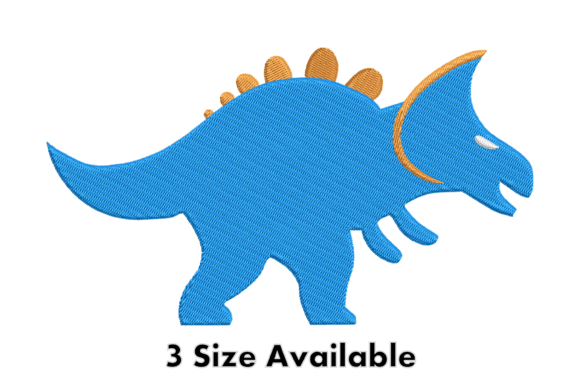
The moment I load the Triceratops Dinosaur Embroidery File onto my screen, the visual impact is immediate. The combination of bright blue and golden accents creates a striking contrast that feels both modern and timeless. In the world of craft fairs, where customers scan tables quickly, this color palette stands out against neutral backgrounds like beige canvas or white cotton. It does not feel rustic or farmhouse; instead, it leans heavily into a playful, energetic vibe perfect for children's markets and family-oriented booths. The design captures the iconic silhouette of the dinosaur without getting bogged down in excessive complexity, making it an excellent candidate for a variety of small shop products.
For an Etsy seller or boutique maker, the aesthetic suggests premium quality. The golden details imply a touch of luxury, elevating what could be a simple kids' graphic into something that feels like a collectible item. However, the true test lies in how these colors perform when stitched onto actual fabric textures. Will the gold thread pop, or will it get lost in the weave? This is a question I must answer before committing to a batch run.
Evaluating Product Applications for Maximum Sales
When preparing a display, versatility is key. The description notes that this embroidery file is available in three sizes, which is a critical feature for a diverse product line. Let us break down where this specific design shines and where it might struggle.
- Tote Bags and Market Bags: A large version of the Triceratops would make a fantastic focal point on a sturdy canvas tote bag. The bright blue would look vibrant against natural linen, creating a statement piece for eco-conscious parents. As a tote bag design, it offers immediate visual recognition from across the room.
- Kitchen Textiles: For tea towel embroidery or apron embroidery, the medium size works well. Imagine a child wearing an apron with this cheerful dinosaur while baking cookies; it is a heartwarming image that sells itself. However, one must consider the fabric texture of towels, as thick loops can sometimes obscure fine golden details.
- Patches and Caps: The smaller size option is ideal for embroidered patches or caps. On a curved cap surface, the design needs to maintain clarity. If the golden details are too thin, they may break during stitching on a structured brim. Conversely, as a patch sewn onto a denim jacket or backpack, the raised texture adds a tactile element that buyers love.
- Pillows and Baby Clothes: Soft fabrics benefit from the rounded shapes of the Triceratops. On baby clothes, the bright blue is soothing yet engaging, making it a top contender for gift-giving items. Pillow covers allow for larger hoop sizes, giving the design room to breathe and showcasing the stitch density effectively.
Production Realities: Stitch Density and Fabric Choices
Before I commit to producing a full inventory of this commercial embroidery project, I must address the technical challenges. The mention of "golden details" raises a flag regarding stitch density. Gold threads often require careful tension management to prevent bird nesting or puckering, especially on lightweight fabrics like baby t-shirts. I will need to test the design on scrap fabric first to ensure the thread colors lay flat and the gold does not appear muddy.
The availability of three sizes is a significant advantage, but it requires discipline. When scaling down the Triceratops Dinosaur Embroidery File, tiny details can vanish. If the horns or eyes become too small, the character loses its charm. I recommend avoiding the smallest size for complex areas unless the digitizer has simplified the lines specifically for that scale. Always confirm the hoop size required for each variation to ensure your machine can handle the registration without constant re-hooping, which slows down production time.
Fabric choice is equally important. Thick, textured materials like heavy canvas or looped towels can hide intricate stitches. For the golden details to truly shine, a smoother fabric like cotton twill or high-quality jersey is preferable. Darker fabrics present another challenge; while the bright blue will stand out, the gold may need a backing layer or a lighter stabilizer to prevent it from looking dull against black or navy backgrounds.
Strategic Display and Online Presentation
In a physical booth, lighting plays a crucial role. The metallic sheen of the gold thread in the Triceratops design will catch the light beautifully, drawing eyes to the display. I plan to place embroidered patches and small pouches at eye level to highlight the detail work, while larger tote bags and pillow covers serve as the backdrop anchors. This layered approach maximizes the visual appeal and encourages customers to pick up the items.
For online listings, such as on Etsy, the design must photograph well. High-resolution photos showing close-ups of the stitch density are essential. Buyers cannot touch the product, so they rely on images to judge the quality. Creating a printable mockup or a real-life photo of the finished product on a model or styled setting helps convey the scale and value. Emphasize the "handmade product" aspect in the listing description to justify a higher price point compared to mass-market alternatives.
Essential Designer Notes for Success
To ensure this machine embroidery design becomes a best-seller rather than a regrettable investment, follow these practical steps:
- Test Run First: Never skip the test stitch on scrap fabric. Check for thread breaks, especially with the gold thread, and verify that the design sits flat without puckering.
- Stabilizer Selection: Use the right stabilizer for your chosen fabric. Cut-away stabilizers work best for stretchy knits used in t-shirts, while tear-away may suffice for stable wovens like tote bags.
- Licensing Check: Before selling any finished goods, confirm the commercial licensing terms of the digital embroidery file. Ensure you have the right to sell the final product and not just the file itself.
- Batch Consistency: Once you find the perfect fabric and thread combination, stick to it for batch production to maintain brand consistency. Variations in thread shade or fabric weight can make your handmade collection look unprofessional.
- Mockups Matter: Create at least one real mockup for every product type you intend to sell. This helps you visualize the final result and spot potential issues before investing in bulk materials.
The Triceratops Dinosaur Embroidery File holds immense promise for creative entrepreneurs looking to add a touch of prehistoric fun to their lineup. With its bold color scheme and versatile sizing, it has the potential to become a staple craft fair product. However, success depends on careful execution, proper material selection, and a keen eye for detail. By respecting the technical requirements of the design and presenting it with confidence, you can turn this digital asset into a profitable addition to your handmade business.