Faux Floral Embroidery Pumpkin Patchwork Review
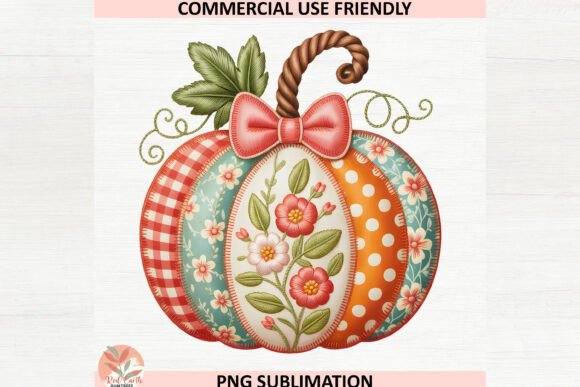
As a designer who has spent years navigating the intersection of digital assets and physical thread, I approach every new machine embroidery design with a critical eye. We all know the feeling: you find a graphic that looks perfect on your screen, but once it hits the fabric, something feels off. That is why I am taking a close look at the Faux Floral Embroidery Pumpkin Patchwork. This isn't just another autumn clipart; it promises a specific aesthetic—a cozy vintage charm built on quilt-style stitched panels featuring gingham, floral, and polka dot patterns. But does this promise hold up when translated into real-world stitching for custom apparel or boutique merchandise?
The First Impression: Vintage Charm Meets Modern Utility
When I first opened the preview for the Faux Floral Embroidery Pumpkin Patchwork, the visual personality was immediately distinct. It leans heavily into the "faux embroidery" trend, which mimics the look of stitched patches without necessarily requiring complex multi-layered applique work in every single instance. The layout combines the warmth of a pumpkin patch theme with the structured nostalgia of quilting. The mix of gingham checks alongside delicate florals creates a dynamic texture that feels tactile even before a needle touches it.
For an Etsy seller or a small shop owner looking to expand their fall collection, this design stands out because it avoids the cliché of flat, orange pumpkins. Instead, it offers depth through its patterned panels. As a digital product seller, I appreciate how the design assets are constructed to suggest volume and layering. If you are planning to use this as a T-Shirt Designs element or a standalone Graphics piece for sublimation, the contrast between the busy patterns and the negative space is well-balanced. However, the true test lies in how these intricate details survive the translation from pixel to thread.
A Real-World Scenario: The Custom Tote Bag Project
To truly evaluate the utility of the Faux Floral Embroidery Pumpkin Patchwork, let's imagine a practical scenario. You are preparing a line of custom embroidered tote bags for a local craft fair. These bags need to be durable, visually appealing, and able to withstand frequent washing by customers. You decide to place this design prominently on the front panel of a sturdy canvas tote.
In this context, the design shines. The quilt-style panels naturally break up the large surface area of the bag, preventing the design from looking overwhelming. When I visualize the fill stitch covering the gingham sections, the density appears sufficient to create a solid block of color without excessive bulk. The floral elements, likely rendered with a combination of satin stitch for outlines and fill for petals, would add a soft, organic touch against the geometric rigidity of the checkered patterns.
However, the success of this project hinges on the hoop size. Because the design incorporates multiple distinct panels, it requires a hoop large enough to capture the entire composition in one go, or precise tacking points if you must re-hoop. For a tote bag, where the fabric can shift easily, securing the material with a high-quality stabilizer is non-negotiable. If you attempt this on a flimsy cotton blend without proper backing, the tension required for the dense stitch density in the patchwork areas could pucker the fabric, ruining the vintage aesthetic you are trying to achieve.
Navigating Fabric and Placement Challenges
While the Faux Floral Embroidery Pumpkin Patchwork is versatile, it is not a "one-size-fits-all" solution. As a professional reviewer, I must highlight where this design requires caution. If you are considering this for baby embroidery items like onesies or bibs, the complexity of the gingham and polka dot patterns might be too dense for very stretchy fabrics. The movement of a baby's body combined with the weight of heavy thread colors could cause the stitches to pull or distort over time.
Similarly, using this design on dark fabrics demands careful consideration of your thread colors. The original concept relies on light, airy tones typical of vintage quilts. To replicate this on a black sweatshirt or navy apron, you would need to adjust the palette significantly. Simply running the default file might result in low visibility. You may need to add a white underlay or switch to a high-contrast color scheme to ensure the running stitch details remain crisp.
Curved surfaces present another challenge. If you plan to adapt this for a cap or a curved pillow cover, the rigid geometry of the patchwork panels might struggle to conform to the curve without significant distortion. In such cases, treating the design as an embroidered patch that is sewn onto the garment later, rather than directly embroidered, often yields a cleaner finish. This method allows you to control the tension on a flat surface before attaching it to the final product.
Impact on Brand Value and Customer Trust
For creative entrepreneurs and handmade shop owners, the quality of your finished product directly correlates to customer trust. A well-executed version of the Faux Floral Embroidery Pumpkin Patchwork elevates a simple item into a premium gift. The intricate detailing signals effort and craftsmanship. When a customer sees the subtle interplay of patterns in a personalized gift, they perceive higher value.
Conversely, poor execution can damage your reputation. If the stitch density is too high, causing the fabric to stiffen, or if the registration between the different pattern panels is off, the design will look amateurish. In the world of commercial embroidery, consistency is key. Before listing this design in your shop, always create a printable mockup or a physical sample. Test the design on scrap fabric first to check for any issues with thread breaks or skipped stitches, especially in the transition zones between the floral and gingham sections.
Practical Designer Notes for Success
If you decide to integrate the Faux Floral Embroidery Pumpkin Patchwork into your workflow, keep these practical notes in mind:
- Test on Scrap Fabric: Never skip the test run. Check how the fill stitch behaves in the denser areas and whether the satin stitch lays flat on the edges of the pumpkin shapes.
- Verify Licensing: Ensure you have the correct rights for commercial embroidery. Whether you are selling the finished handmade product or the digital embroidery file itself, confirm the license terms allow for your specific business model.
- Check Thread Contrast: Review the design in black and white to ensure the pattern lines remain visible. High contrast is essential for the gingham and polka dot details to pop.
- Stabilizer Selection: Use a tear-away stabilizer for stable fabrics like denim or canvas, but opt for a cut-away or wash-away mesh for stretchy knits used in sweatshirt embroidery.
- Hoop Size Confirmation: Measure the design dimensions against your machine's capabilities. If the design exceeds your hoop, plan your re-hooping strategy carefully to avoid misalignment.
Ultimately, the Faux Floral Embroidery Pumpkin Patchwork offers a rich opportunity for designers who want to bring a nostalgic, cozy feel to their autumn collections. It works beautifully for holiday embroidery projects, kitchen towels, and decorative accents. By respecting the intricacies of the design and preparing your materials correctly, you can transform this digital asset into a tangible piece of art that resonates with buyers. Just remember: the difference between a good design and a great one often lies in the preparation and the attention to detail during the stitching process.