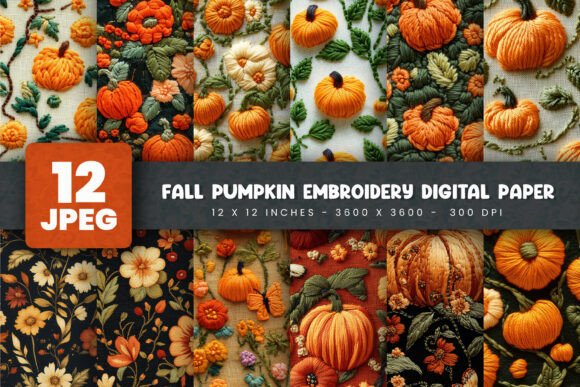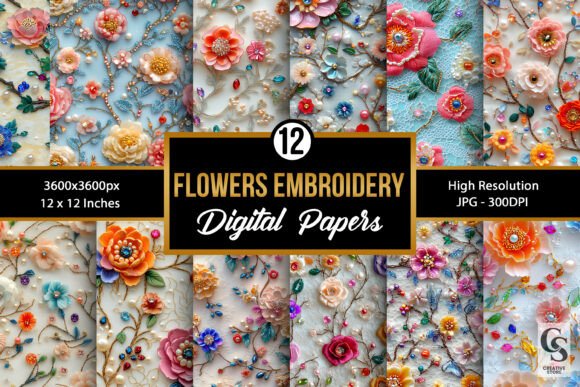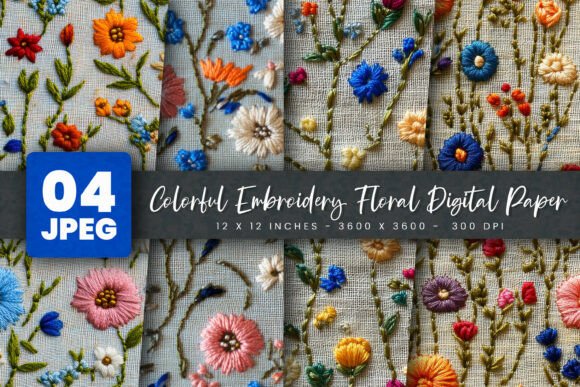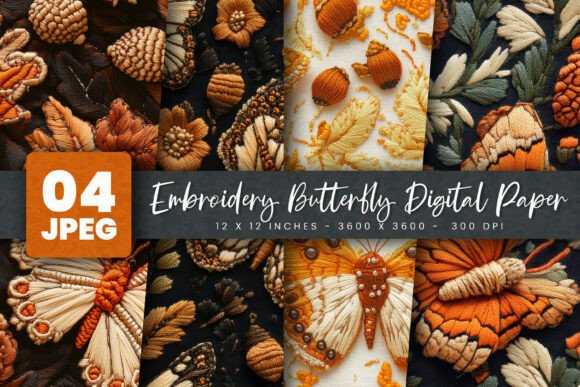
Embroidery Butterfly Digital Paper Review
As a professional embroidery designer who has spent years translating digital concepts into tangible, stitched reality for small businesses, I approach every new asset with a critical eye. When evaluating Embroidery Butterfly Digital Paper, my goal is not just to see if it looks pretty, but to determine if it functions as a viable tool for commercial production. For boutique owners, apparel decorators, and Etsy sellers looking to elevate their brand identity, the choice of design assets can make or break a collection. This review breaks down how this specific graphic performs when moved from a screen to a sewing machine for branded merchandise.
First Impressions: A Versatile Brand Asset
At first glance, the Embroidery Butterfly Digital Paper presents itself as a classic yet adaptable motif. Butterflies are universally recognized symbols of transformation and beauty, making them an excellent candidate for brands that wish to convey growth, elegance, or a connection to nature. Whether you run a florist shop, a handmade bakery, or a creative studio, this design fits seamlessly into a variety of aesthetic categories. It feels both playful enough for children's onesies and sophisticated enough for wall art or premium tote bags.
The description highlights its suitability for a vast array of applications, including posters, mugs, throw pillows, and greeting cards. However, as an embroidery specialist, I look beyond the general list. The key takeaway here is the "High-resolution" feature mentioned in the product details. In the world of digital files, resolution is paramount. A high-resolution source file ensures that when we convert this Graphics category item into a machine embroidery design, the lines remain crisp, and the curves stay smooth without jagged edges or pixelation artifacts.
Real-World Business Applications
When we move from theory to practice, the true value of Embroidery Butterfly Digital Paper becomes apparent in specific business scenarios. Imagine a local café launching a spring collection. They need a visual accent that is subtle yet recognizable. Using this butterfly design as a chest logo accent on staff aprons or as a sleeve detail on work shirts creates immediate visual consistency across the team. It signals professionalism while maintaining a friendly, approachable vibe.
For the handmade sector, this design is a powerhouse for creating embroidered patches. Patches are a cost-effective way to add value to small business merch. You can stitch the butterfly onto denim jackets, canvas tote bags, or even attach it to product packaging as a premium seal of authenticity. The versatility allows for customization; a pet brand might use it on collars, while a boutique could feature it on garment tags. The ability to adapt this single digital embroidery file across different mediums—from cap embroidery to tote bag design—makes it a high-ROI asset for any creator.
Furthermore, consider the impact on customer engagement. A well-executed embroidered logo on a gift bag or a custom uniform builds trust. It tells the customer that the business cares about quality and detail. Unlike a cheap printed sticker, an embroidered element adds texture and durability, enhancing the perceived value of the finished product.
Strategic Placement for Maximum Impact
- Staff Uniforms: Use as a small chest emblem on chef coats or retail vests to unify the team look.
- Event Merchandise: Create limited-edition patches for trade shows or pop-up shops to drive brand recognition.
- Product Labels: Embroider the butterfly onto fabric hangtags for clothing lines to add a tactile, luxury feel.
- Customer Gifts: Apply the design to thank-you tote bags or promotional items given at point of sale.
Critical Design Considerations for Production
While the potential is high, there are specific areas where caution is required. As a designer, I must warn against assuming a large graphic will automatically translate perfectly to a tiny patch. If you intend to use Embroidery Butterfly Digital Paper for small cap fronts or buttonholes, you must evaluate the stitch density. Intricate wing details that look stunning on a poster may become a tangled mess of thread on a 1-inch patch.
Fabric texture plays a significant role in the final outcome. On textured fabrics like corduroy or heavy twill, fine lines in the butterfly wings might get lost. Conversely, on dark uniforms, the contrast of your thread colors becomes critical. A light-colored butterfly on a black background requires careful underlay stitching to prevent the fabric color from bleeding through. Always test your design on the actual material before committing to a full production run.
Additionally, consider the curvature of the item. Applying this design to a baseball cap involves working on a curved surface, which can distort the symmetry of the wings if the hoop size and stabilizer choice are incorrect. Using a proper stabilizer is non-negotiable for maintaining the shape and integrity of the design during the stitching process.
Impact on Brand Identity and Professionalism
The decision to use Embroidery Butterfly Digital Paper extends beyond mere decoration; it is a statement of brand identity. Consistency is key in building a recognizable brand. By using the same motif across custom apparel, signage, and packaging, you create a cohesive visual language that customers begin to associate with your business. This visual consistency fosters trust and makes your brand memorable in a crowded marketplace.
For handmade brands, the "handmade presentation" is often the selling point. An embroidered butterfly reinforces the narrative of craftsmanship. It suggests that time and care were put into the product, distinguishing it from mass-market alternatives. This attention to detail can justify higher price points and increase buyer engagement, as customers are willing to pay more for items that feel unique and well-made.
Practical Designer Notes for Success
To ensure the best results when utilizing this asset, follow these practical steps derived from years of industry experience:
- Test in Black and White First: Before selecting vibrant thread colors, run a test in monochrome to check the flow of the design and ensure no gaps appear in the stitching path.
- Verify Scalability: Check if the design holds up at small sizes. If the wings lose definition when scaled down for a cap embroidery project, simplify the digitization.
- Inspect Spacing and Density: Ensure there is enough space between elements to allow the needle to pass without breaking threads, especially in high-density areas.
- Confirm Hoop Size: Match the design dimensions to your machine's hoop capabilities. If the butterfly is too wide for a standard 4x4 hoop, you may need to split the design.
- Use Proper Stabilizer: Select a stabilizer appropriate for the fabric weight. A tear-away might suffice for t-shirts, but a cut-away is better for stretchy materials or items requiring frequent washing.
- Create a Printable Mockup: Show clients a realistic printable mockup of the design on the intended product before starting production to manage expectations.
- Check Commercial Licensing: Always confirm the licensing terms. While the description mentions various uses, ensure you have the right to use this Patterns category item for commercial embroidery projects without restriction.
In conclusion, Embroidery Butterfly Digital Paper offers a robust foundation for small business branding when handled with professional expertise. Its high-resolution nature supports diverse applications, from delicate apron embroidery to bold statement pieces. By respecting the technical limitations of embroidery machines and understanding the nuances of fabric and thread, designers can transform this digital graphic into a powerful tool for business growth and brand elevation.